Preventive Health Checkups: Why They Are Important
Regular health checkups help detect diseases early and keep you healthier for longer.
Many life-threatening conditions — diabetes, hypertension, kidney disease, and even some cancers — develop silently and show symptoms only when the damage is significant. Preventive health checkups help you catch these conditions early, when they are most treatable.
What is a Preventive Health Checkup?
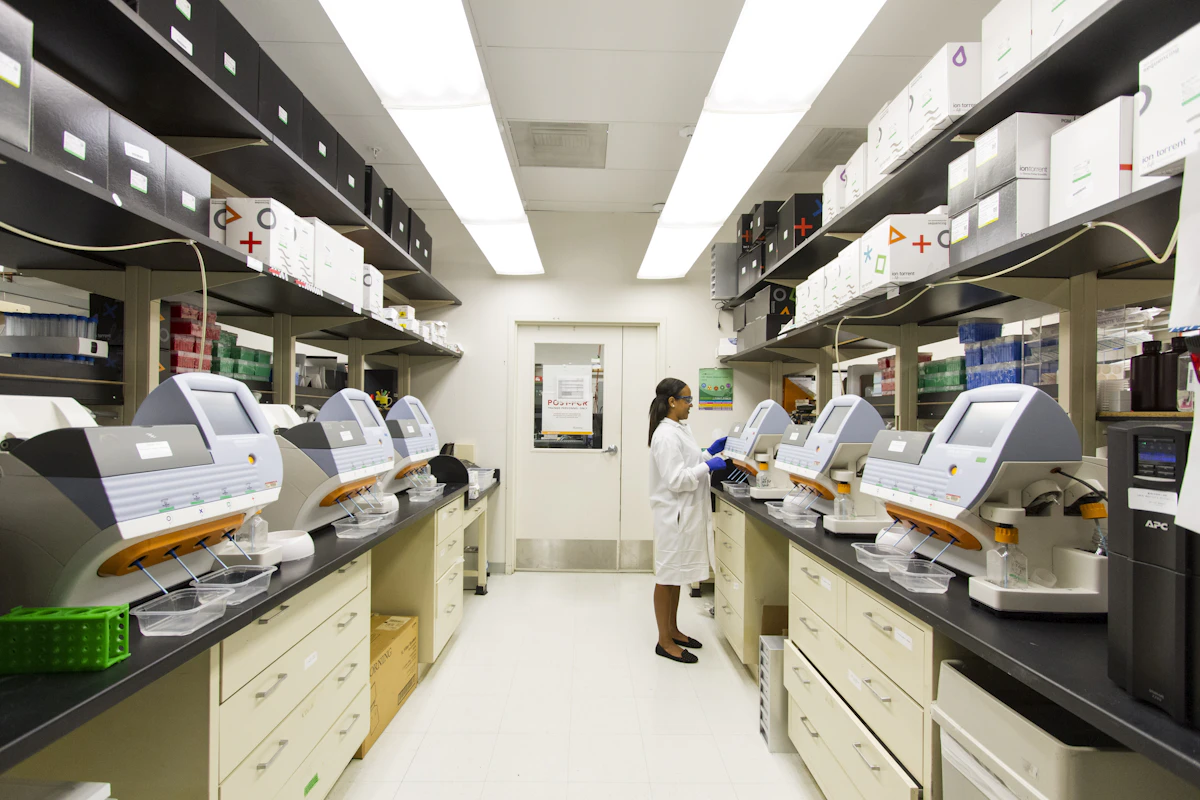
A preventive health checkup is a package of tests that screens your body for common diseases and risk factors, even if you feel fine. It typically includes blood tests, urine analysis, ECG, and consultations, tailored to your age, gender, and family history.
Why Are They Important?
- Early Detection: Catch diseases before they cause serious harm.
- Better Outcomes: Early treatment is easier, cheaper, and more effective.
- Peace of Mind: Know exactly where your health stands.
- Lifestyle Guidance: Get expert advice on diet, exercise, and stress.
- Cost Savings: Prevention costs a fraction of treating advanced disease.
Who Should Get Checked?
- Adults over 30 — annually.
- People with a family history of heart disease, diabetes, or cancer.
- Smokers, drinkers, or those with a sedentary lifestyle.
- Anyone under high work or personal stress.
What's Included in a Basic Package?
- Complete Blood Count (CBC)
- Blood sugar (fasting & post-meal, HbA1c)
- Lipid profile
- Liver and kidney function tests
- Thyroid profile (T3, T4, TSH)
- Urine routine and microscopy
- ECG and chest X-ray (in advanced packages)
How Often Should You Get Tested?
For healthy adults under 40, once every year is enough. Adults over 40 or those with risk factors may need checkups every 6 months. Your doctor can recommend the right frequency for you.